Ranked Among Australia’s Top 20 Corporate Training Providers (2026): View Courses

Author: Rosy King

CTO Training for Emerging Leaders

Emerging Leaders Training

Emerging Leaders Training – The Leadership Suite

Brought to you by Rosy King @ Corporate Training Options


CTO Training for Emerging Leaders


Are you ready to develop the skills essential for effective leadership?

Even if you don’t yet hold a leadership position, you can begin learning the principles leaders use to achieve success and prepare yourself for the future.

Learn how to have more successful relationships with difficult bosses, co-workers, friends, and even family members. Understand how to surround yourself with a great team.  Learn the qualities of being a great leader and a team member. Understand that part of being a good leader is making good decisions based on the information you have.  Discover the steps to make great decisions, to make the most of every opportunity.


Online Leadership Training

CTO’s Online Leadership Training Series

covers four major topics.


Achieving Success with Difficult People

Do you know people whose behavior makes completing even the simplest tasks difficult?  Would you like to learn how to have more successful relationships with difficult bosses and co-workers.  Even with your neighbours or family members?

Join this online class and get helpful information on:

  • understanding yourself
  • solving people problems
  • improving your relationships
  • increasing your personal and professional productivity


Leadership

Leadership skills help you gain the respect and admiration of others.  They also allow you to enjoy success in your career and more control over your destiny.  Contrary to popular belief, leadership skills can be learned and developed.  Even if you don’t yet hold a leadership position, this course will teach you how to use the principles of great leaders to achieve success in almost every aspect of your daily life.


Building Teams That Work

Building Teams that work involves learning the components of a successful team and the stages of its development.  During this training,  you’ll follow real-life examples and scenarios to help you identify with the team-building process.

Are you eager to develop your leadership qualities while also being a quality team participant?  Many of today’s teams rotate leadership roles, so it’s crucial to understand both perspectives.  Learn the best ways to communicate and work together for positive change in your teams.


Skills for Making Great Decisions

Would you like to learn how to make excellent everyday decisions from an experienced counsellor and life coach?

This online training helps you discover the steps necessary to achieve your goals.  Plus, the power that ordinary, everyday decisions can have over the quality of your life.  You’ll develop important guidelines for when to take risks, when to trust your luck, and what to do if you make a mistake.

The goal of this course is to give you the power to live the best life you can and make the very most of every opportunity.


The Emerging Leaders Online Training Suite provides many beneficial learning outcomes, which include:

  • Learning Leadership skills to help you gain the respect and admiration of others
  • Allowing you to enjoy success in your career and more control over your destiny
  • How to use the principles of great leaders to achieve success in almost every aspect of your daily life
  • And you will start to get a sense of what great leaders really do


Want to learn more about Emerging Leaders Online Training?

If you’re ready to begin learning the principles leaders use to achieve success and prepare yourself for future leadership roles, contact CTO today for friendly, professional advice.

We’ll enrol you for your online Emerging Leaders – Leadership Training Suite, which begins this month.

Tel: 1300 667 660

Corporate Training Options

Tips to handle difficult situations in the workplace

Managing Difficult People & Situations in the Workplace

Managing Difficult People and Situations in the Workplace

Brought to you by Rosy King @ Corporate Training Options


Tips to handle difficult situations in the workplace

Would you like to remain calm, defuse conflict, and keep your dignity when managing difficult people and situations at work?

Below are some great tips from our handling difficult people and situations training course,  that you can put into action today.


Use the LEAD model when managing difficult peopleUse the LEAD Model 

Listen

Attentive listening is the first step to recognising and handling difficult situations and people. Every one of us wants to feel valued, understood, and heard.

Explore

The best course of action in exploring why someone is being awkward, is to listen and let them speak.

Telling them to calm down is not the best move, even though your instincts may be telling you to say that to them.

A better course of action is to remain calm no matter what is said and to not take it personally.  That way, you’ll avoid saying things you wish you hadn’t, in the heat of the moment.

Attend

Jim Rohn has a fantastic quote, which says  “Wherever you are, be there.”

This is a great principle to apply when you’re dealing with a difficult situation or person.  Focus only on attending to that person and their situation. Whether it is an upset customer over the phone, face-to-face, or by email.

By attending to the person and being present, you’ll more quickly gain an understanding of their problem and be able to start thinking about delivering a solution.

Deliver a solution

Delivering a solution may not always be as easy as you think.  The answer will depend on the person, the complexity of the problem or situation, and whether or not you have the authority or resources to solve the problem for them.

A great place to start is by telling the person you’re going to try to fix it for them, and that you will contact them once their problem is solved.

These understanding words will help soothe the savage beast and also help defuse conflict and hot tempers.


Turn Customer Complaints into Business OpportunitiesIf you can deliver the solution, provide it as quickly as you can.

If you can’t offer an immediate solution, let the person know you’ll speak with the people you need to, and advise them of the outcome.


Examine how your personal beliefs and values play into the way you deal with difficult people

Your personal beliefs and values play a big part in how you handle difficult people and situations. However, many of us never question our beliefs or values.

Most of us like to think we’re non-judgemental, open, and caring.  This is why self-assessment of your personal beliefs and values is challenging and, at times, a bitter pill to swallow.

Many of the beliefs and values you have now may have formed when you were a child.  You have carried these beliefs and values into adulthood, even though they no longer serve you.  They are out-dated or out of sync with who you are now and your current beliefs.

It’s critical to remember when you’re dealing with difficult people, that you’re engaging with a fellow human being. They have feelings, thoughts, and challenges of their own, even though at the moment they may not be rational.

And while your belief may be that they shouldn’t be taking it out on you, the reality is some people will take it out on you.


Ways to understand the personalities of difficult peopleHow can you assess the challenges of managing difficult people and situations and make the right decisions in each of those situations?

  • Remaining empathetic, honest, calm and assertive is one key
  • Thinking before you speak and using non-threatening words, tone and body language is another
  • Communicating in an inspiring and supportive tone is also important
  • You can focus on win-wins and positive outcomes as opposed to the focusing on the problem
  • Preparing to negotiate is another strategy you can use to deal with difficult people and situations
  • Don’t make promises you can’t keep
  • And always think about what you are going to say before you say it, to avoid replying in anger or frustration.


These are just some of the strategies taken from our training course on handling difficult people and situations.  The key here is learning how to identify difficult situations and how to best action them so that you can make the right decisions for everyone involved.


Can you identify difficult people in terms of their characteristics and the rewards they get for behaving as they do?

We all have difficult people in our lives, and many of us would prefer not to engage with them. It could be a supervisor, a boss, a co-worker, a customer, or a spouse, but the fact is that difficult people and situations are part of our lives.

Some of the identities and characteristics of difficult people that we all come into contact with, and that each one of us has been at times, are:

  • Negative Nellies  – The characteristics and rewards negative nellies get is they are always happy to complain. They like to talk negatively, to talk at people instead of talking to them, and to put the blame on everyone else except themselves.


  • The Show Off  – These are people who sometimes go to great lengths to go one better than you.  The main characteristicsand rewards they get are letting you know about how they outdid you, name dropping, surpassing you at every opportunity and telling you about it.  In many cases, this behaviour is to mask their lack of self-confidence.


  • The ‘Whatever You Think’ character  – The characteristics of this personality are they don’t make any decisions at all.  They’re happy for you to make all the decisions, are passive, and give you one-word answers to questions.  This type of person is usually afraid, and the reward for them is removing themselves from not having to make a decision. They leave it all up to you, and if it’s the wrong decision, they are happy to blame you.


  • The ‘Control Freak’  – The core characteristic of this person is usually telling you how to do something and taking control of the situation, whether they know more about it than you, or not.  They can be extremely emotional, intimidating, rude and angry.  ‘Control Freak’ characters enjoy the gratification of taking control of people and situations because they believe if you want something done right, you have to do it yourself!


Listen calmly, so you can understandOf course, identifying difficult people, their characteristics, and the rewards they believe they receive, is only half the equation.


The worst thing you can do once you have identified a difficult person’s character

The natural reaction when you can identify a problematic person’s character and the rewards they get for behaving as they do, is to try and change them.

Telling a ‘do whatever you think” person to speak up, puts them under more pressure.  Asking a person with a ‘control freak’ character to change, will make them even angrier.  So forget about trying to change people’s mindset and attitude because you’ll never change them.


A better strategy is to identify a difficult person’s character, then adapt your own thoughts, to better understand them.

The real skill and art in managing difficult people and situations is identifying the person’s character and adapting to understand them and their mindset.

While this is a big topic and requires specialist training, some of the ways you can achieve this is by:

  • Asking open-ended questions
  • Building rapport
  • Establishing trust with the person
  • And creating a meaningful conversation while being honest and sincere


CTO Training Courses - Teaching you essential skills for the workplaceIs professional training in managing difficult people and situations a good return on investment? 

Yes.  With professional training in handling difficult people and situations, your call centre teams and other employees, will have the skills to deal with difficult people and situations professionally and diligently.


We have a training course available for you, which covers handling difficult people and situations.

This course provides several beneficial learning outcomes, which include:

  • Being able to identify difficult people in terms of their characteristics and the rewards they get for behaving as they do
  • Examine how your personal beliefs and values play into the way you deal with difficult people
  • Identify the ‘sources of power’ your difficult people have over you, and the degree of difficulty posed by each one
  • Assess each difficult person to enable you to make a good decision about how to handle each situation you face
  • Identify tools to help you find the right words
  • You’ll also receive a process model to guide you through difficult interactions with uncommon grace and skill


Want to learn more about managing difficult people and situations?


If you’re ready to upgrade your skills to handle difficult people and situations, to provide powerhouse customer service, or you wish to tackle some new challenges, contact CTO today for friendly, professional advice.

We’ll discuss your specific needs and tailor a training course to suit your requirements.

Corporate Training Options

Improve team performance with training for your supervisors

Want to learn how to be an excellent Supervisor?

Learn how to be an Excellent Supervisor

Brought to you by: Rosy King @ Corporate Training Options


Improve team performance with training for your supervisors


Want to know how to be an excellent supervisor?

If you are concerned about team performance, and how to best lead your team, you won’t be for much longer!  CTO’s Excellence in Supervision course will enhance your problem-solving abilities, teach you to communicate effectively and upgrade your skills as a supervisor.


Team performances can dwindle. That’s reality.

When you’ve arrived at a crossroads, will you lie down, or will you rise to the challenge to become a better supervisor?


The FIVE benefits of professional upskilling to teach you how to be an Excellent Supervisor

If you’ve read this far – congratulations. We’re going to take you through all the reasons you shouldn’t be missing out on this opportunity for success. So stay tuned.


You’ll learn how to transition to a supervisor role, preparing you for your new responsibilities & the best strategies for getting started.

Climb the Leadership ladder with CTO TrainingEveryone starts at the bottom. Making your way up the corporate ladder and transitioning to a supervising or managerial role can be daunting to those who lack previous experience.

During the initial transition period, it’s essential to know how to establish a line of trust and credibility with the people you’ll be working alongside – particularly now that the team dynamic has changed.

You’ll need to get comfortable with your new duties as a supervisor. Managing workflow, hiring and training new employees, conducting performance evaluations, conflict resolution and roster management are all everyday responsibilities involved with supervisory roles and should not be taken lightly.


Guide your team towards higher performance rates. Set expectations, goals & handle performance issues with ease.

Guide your Team towards higher performanceMarking out some clear expectations for your team is just simple, clean and effective management.

Knowing how, when and what type of goals to set is vital in ensuring your team aren’t overworked trying to hit unreachable targets- or on the opposite end of the spectrum, not challenging themselves enough to push forward your company.

Performance issues are encountered more often than we’d like, and the way we handle them can dictate the future success of your business.

Approaching employees with professionalism and tact doesn’t come to a lot of people naturally, and that’s what our Excellence in Supervision course sets out to tackle.


Supervise with flexibility, communicate proactively and coach your team towards excellence.

Supervise and Lead with flexibilityFlexible supervision makes ALL the difference to your team of employees.

Decrease stress levels, improve job satisfaction in the workplace and reap the mutual benefits which result.

Our Excellence in Supervision course will inform you of all the ways you can alter your personal management style to accommodate for reasonable flexibility with employee rostering, responsibilities and Leave requests.


We’ll take you through examples of some of the best and worst supervisors.

Promoted from Co-Worker to SupervisorSome people just shouldn’t be supervisors.

Others excel.

Micromanagement, selfishness, greed and control freak behaviour are just some of the undesirable traits we all hope we’ll never find in a supervisor.

Learning from the past management mistakes of supervisors who didn’t quite meet the mark is an effective means of ensuring you won’t suffer the same fate.


Navigate how to deal with change positively, changing management styles and techniques for problem-solving.

Learn how to navigate supervision with eastTransitioning into a new work role or environment can be more overwhelming than people give credit for.

CTO will deliver effective strategies to help those transitioning to new supervisory positions find their footing.

You’ll learn how to integrate from previous management styles into new ones successfully, and how to put a positive spin on the changes you will be encountering.

We also include a range of problem-solving techniques tried and tested in the corporate workplace.


Want to learn more about the Excellence in Supervision course?  

We have a training course available for you, which will help you achieve several learning outcomes.

These outcomes include:

  • Becoming an effective supervisor
  • Dealing with new responsibilities
  • Communicating efficiently with employees, peers and managers


You will learn about:

  • The roles and responsibilities of a new Supervisor
  • Strategies for improving team performance
  • Dealing with change positively
  • How to set reasonable goals and expectations


If you’re ready to become the ultimate team leader, to provide Excellence in Supervision for your team, contact CTO today for friendly, professional advice.

We’ll discuss your specific needs, and tailor your training program to suit your requirements.


Corporate Training Options 


Train your Team in Outlook

5 Reasons to Train your Team in Microsoft Outlook

5 Reasons to Train your Team in Microsoft Outlook

In this Corporate Training Options article, you’ll read about some of the fantastic tools and functions in Microsoft Outlook. From the in-built security scanner to content scheduling, colour categories, Teams integration and everything in between.

Brought to you by Rosy King @ Corporate Training Options


Train your Team in Outlook


5 Reasons to Train your Team in Microsoft Outlook

Microsoft Outlook is a leading platform in personal information management and has been one of the favoured services of corporate professionals since 1997.

When you train your team in Microsoft Outlook, they can take advantage of the tools available to enhance their daily operations and improve their productivity.


A Primary Asset of any Business is Organisation

The modern workplace can be hectic. We’re all familiar with looming deadlines and chatty coworkers who pile on the pressure to get things done on time.

So when you need to get organised, Microsoft Outlook contains an array of features that will make your life easier. Calendar tools. Colour categorisation. Contact management and Teams integration.  This means organisation has never been simpler.  Here’s an overview of some of the best Outlook features available.


Outlook Calendar

Outlook Calendar

With online sharing functionality, Outlook’s calendar integration allows you to create, manage and edit not just your own schedule – but your team’s calendars too. Setting up your next meeting becomes incredibly more manageable when you can compare and contrast schedules.


Colour Categories

Besides being aesthetically pleasing, colour-coded organisation tools tend to come in handy when you want to group together multiple emails. Got a bunch of emails scattered through your inbox, all purposed for the same project?

Tag them with a flag in blue, green, orange, purple or red.  Or create your own custom colour category!


Contacts

Sometimes, you need to locate a client’s details quickly.  Microsoft Outlook’s address book navigation is clean, structured and straightforward.  Start typing in the search box to find a contact or contact list.  Select Favourites to see the contacts you’ve added as favourites.  And add a contact to your list simply and easily, directly from an email message.


Top Security Measures

Outlook Security features

In today’s Modern Workplace, the rate of cybercrime continues to increase.

We all know to never engage with an untrustworthy source. But knowing how to identify them isn’t easy. Microsoft Outlook does the work for you, with security features that defend against junk mail, phishing links and more.

A top priority will always be to protect your clients. Ensure that their data and privacy remains secure with Outlook’s automatic in-built filters and email scanners.


Junk Mail Filters

Easily disable live links and block suspicious senders. Block external content such as downloaded images and data from those dodgy looking webpages.


In-built Email Scanner

No need for manual investigation, Outlook has you covered with its automatic alert system. The moment a risky email arrives, you’ll know about it.


Use Outlook wherever and whenever you need

Use Outlook on the goForget about being chained to your desk all day. Enjoy instant access to your email accounts, contacts, calendar, and so much more, all at your fingertips.

The Microsoft Outlook Apple & Android applications are designed so users can quickly & efficiently manage their inbox, organise schedules and locate important files all from their mobile device.


Portable Planner

Transform your calendar into a mobile planner!  Eliminate the worry of running back to your desk to double-check tomorrow’s appointment time. The calendar function in Outlook synchronises to all your devices; including both Apple and Samsung phones, and their respective smartwatch devices.


Content scheduling

Schedule emails, events and others in advance. Content is made easily accessible for editing, management or later reuse.


Outlook and Microsoft Teams Integration

Outlook and Teams integrationShare to Outlook

The Share to Outlook feature lets you share a copy of a Teams conversation to an email in Outlook, without having to leave Microsoft Teams.   A handy feature if users need to share updates with others outside their immediate team or organisation.


Missed Activity Emails

Outlook also provides missed activity emails helping you to catch up on missed Teams conversations.  You can click Reply and respond directly from within Outlook.


FindTime 

FindTime for Outlook and the Teams Meeting add-in lets you schedule a Teams meeting from Outlook.

FindTime is an add-in for Outlook that helps everyone reach consensus on a meeting time. Once the meeting invitees have provided their preferred times, FindTime sends out the meeting invite on the user’s behalf. If the Online meeting option is selected in FindTime, FindTime will schedule a Microsoft Teams meeting. 


One-stop EmailOutlook 365 for Teams

Utilising trusted Internet protocols IMAP and POP3, Microsoft Outlook provides users with the ability to feed a multitude of accounts through a single main email folder.

If you’re operating multiple email channels, this feature is particularly useful in reducing your time spent flicking through each channel for the right email.

Of course, one method won’t fit all – separate folders are still an option for those who prefer to keep things isolated.  It’s all about preferences, people!


All in all, if you are looking to manage your time more effectively, reinforce communication channels with your work peers and clients, and better prepare for important meetings and projects – consider familiarising yourself with Outlook and the range of tools it offers.


Want to learn more about the benefits of using the new tools in  Microsoft Outlook ?

We have a Microsoft Outlook Advanced training course, where you’ll learn how to:

  • edit and organise messages
  • locate specific files & information
  • work with colour categories
  • learn how to use email rules
  • structure an email
  • schedule appointments, meetings & events
  • manage your contacts
  • assign and track tasks
  • work with views


CTO Training is easy for you to organise, with online quoting, online booking and online payments.  

You’ll receive Fully Customised Training Programs delivered by Expert Facilitators, providing your Team with business skills they can use Today.

So contact CTO for friendly, professional advice.  We’ll discuss your specific needs, and tailor a training program to suit your requirements.


Corporate Training Options


Virtual Teams online

4 Tips for putting together a Virtual Team poised for Success

4 Tips for putting together a Virtual Team poised for Success

Brought to you by Rosy King @ Corporate Training Options


Virtual Teams online


Here’s 4 tips for putting together a virtual team, irrespective of size, which will have endless possibilities for your organisation.

During the past six months, micro businesses, medium businesses and large corporations in Australia and throughout the world have all scrambled to set up virtual teams. Most of us have had to do it out of necessity, due to the COVID-19 pandemic.

However, every cloud has a silver lining.  With a secure, high performing virtual team of your own, you’ll now be able to:

  • Improve business systems
  • Utilise new technology
  • Increase sales
  • Reduce operating costs
  • And more


However, if not done with the proper care or consideration, forming a virtual team can cause upsets! There’s a lot to take into account if you want to step into a streamlined virtual team with success.


Here are our top 4 tips for putting together a virtual team, that’s organised, well run and successful. 


Learning to work from home

Tip 1 – Forming Your Virtual Team

Here begins the foundation of your virtual team, and the foundation of your successes. In this step, you’re establishing the fundamental aspects of your team. If you want an easily managed group with minimal hiccups (who doesn’t), it all starts here!

Getting all the bases covered first and foremost is going to help you and your team as you progress. A rocky foundation is a big reason why some virtual teams fail to flourish.

Because let’s face it – It’s no good getting two weeks into your project and discovering one team member has accidentally misinterpreted a particular task due to language barriers, cultural differences or a simple misunderstanding.


Here’s what you can do:

Get familiar with everyone’s priorities

What is everyone’s focus? Do their goals align with each other? If there’s anything ultimately left field, it’s essential to make sure everyone is working cohesively.


Resources

What’s everyone commonly using to communicate within this virtual team? Is everyone able to consistently access this point? Everyone needs to be on the same playing field to avoid any discrepancies, so it’s essential to hash this out from the get-go.


Identify any cultural differences within your team

Communication is key. If there are any boundaries at all, it’s crucial to make these known before any project begins.

Cultural differences can stem beyond simple language barriers. They can mean that one team member has a different view on working roles, social structures, project status, and personal boundaries. This is when you need to get to the nitty-gritty and set out some rules that make everyone happy.


Create your team culture

It’s crucial each team member feels part of your team to create a positive virtual team culture. Creating a culture that’s trusting, accepting, inspiring and motivating is just as important as office working environments. It’s all about making each team member feel comfortable, to maximise your results.

Trust is a big part of team culture. Why? Because a lack of trust can lead to failed projects. If all team members trust one another, they can feel secure knowing each task will be completed as assigned, alleviating stresses and concerns.

So, start building these relationships here in step one.  You’ll be surprised how much of a difference it can make down the line.


Tip 2 – Create Your Virtual Tech Environment

Now you’ve done some groundwork; it’s time to fine-tune the technical elements of your virtual team.


Choose your technology for working remotelyChoose your tech

Technology is the essence of a virtual team, and it’s quite important to take this step with a lot of consideration. It’s no good having team members running completely different operating systems. This will incur the dreaded file incompatibilities, communication errors, unreliable networks, slow computers,  and network traffic.

To avoid this, make sure everybody’s running the same system, and the teams’ technology of choice is consistent across the board.  For instance, if you decide that Microsoft Teams is going to be your platform for chat, online meetings and sharing files, then everyone needs a licence, the software loaded on their computers and other devices, and general training in the use of the MS Teams tools.


Train your team

Not everyone in your group will have the same skill levels, so every member must have training on all elements involved in your virtual systems. Allowing each team member to have access to training is essential for practice, growth and success.


Tip 3 – Manage Responses to External Sources of Change

External influences are not unique to in-house office teams.  They’re just as common in a virtual team.  Within both, there are things you can control and things you can’t.


Respond quickly to changesA few pointers to take here include:

Appoint a virtual ambassador

It’s essential to define a team ambassador who will handle, reach out and have involvement with, managing any external changes that affect your team.  It’s all about keeping your team afloat and in-check.


Be prepared to manage changes

If you’re able to smooth over any sudden changes that occur – you’re winning. Team members can experience each influence differently, so your team ambassador needs to handle changes, if and when they occur.


Tip 4 – Ensure your Virtual Team is Set for Success

Once you’ve built the basics, established roles, streamlined communication and you have projects underway – it’s a must for your team leader to continue to keep an eye on how well the team is functioning.


Manage your teams’ performance

By keeping a consistent track on how things are running, team leaders will be able to identify any problems early and nip them in the bud before they get out of hand. Any problems identified within or by your team, should always get resolved as quickly and efficiently as possible.


Celebrate your successes!

Implementing clear goals and achieving them is a great way to set an embracive cultural environment within your virtual team.   Celebrate your wins and successes as a team, and recognise and thank those individuals in your team who have contributed to team wins.


Provide Feedback

Giving continuous feedback to each team member along the way is another way of making everyone feel comfortable, trusted and appreciated.  Those things can easily get swept under the rug when it comes to working remotely.  So, keep feedback a priority.


Regularly Check Health and Wellbeing

Remember to take into account that not everyone in your virtual team has worked from home before.  They therefore may not be used to the isolation of not being in an office full of co-workers.  Or, in reverse, they could be in lockdown with their whole family, plus the dog and cat.  So it’s important to regularly ask – “Are you okay”?  “Is everything going well for you working from home?”  “Is there anything I can help with – even just a chat or a shoulder to cry on”.

It’s extremely important to regularly check on the wellbeing of your virtual team, to ensure they are coping well with their remote working environment.  If you find they do need support, please reach out to them immediately, and offer it.  If you don’t have the skills they need, there may be someone else who does, within or even outside your organisation.  Please refer them to your team member as quickly as possible, as the well being of your team members must always be a priority.


Is Setting Up a Work From Home Virtual Team Difficult?

If you have little or no experience in setting up or working with virtual teams, there are quite a few mistakes you’ll want to avoid. Corporate Training Options can provide you with guidance and support if you need it.

If you need more tips for putting together a virtual team, CTO facilitators have expertise in setting up virtual teams for businesses of all sizes.  Our training courses, webinars and 25+ year’s experience means we’ll deliver positive results for you when you’re ready to learn more about how to set up a virtual team.

So contact CTO for friendly, professional advice.  We’ll discuss your specific needs and tailor a training course to suit your requirements.


Why Choose Corporate Training Options?

  • Your Trainers are certified experts who are real-world practitioners
  • The courses are interactive, well organised and fun – making it easier for you to learn
  • Small classes mean each trainee will receive individual attention and can be confident about the skills gained
  • Our complimentary trainer consultation before your training ensures your objectives will be met
  • CTO is a Business Excellence Award-winning company


About Corporate Training Options

Corporate Training Options 


Corporate Training Options is Australia’s leading professional development training company, incorporated in 1992 and Australian owned. In that time, we have facilitated & run over 100,000 training courses Australia wide.

CTO training provides a cost-effective way of ensuring you and your staff is presenting your best image to the world.

CTO Professional Development and IT Training courses are customised to meet your requirements, and your training is provided on-site, on dates, which suit you.


We specialise in skills to help you run your organisation more efficiently, and promote growth for your team:

  • Leadership & Management
  • Strategic Business Planning
  • Project Management
  • Marketing & Sales
  • Customer Service & Relationship Management
  • Business Administration
  • Finance & Accounting
  • People & Culture
  • Computer Training
  • Personal Development


Each CTO trainer has specific areas of expertise.

This enables them to provide invaluable assistance to corporations like yours, seeking to maximise your investment in your teams and your technology.

So if you’re ready to upgrade your skills, or you wish to tackle some new challenges, contact Corporate Training Options today for friendly, professional advice. We’ll discuss your specific needs, and tailor a training course to suit your requirements.


The Benefits of Using the BEST Selling System

Learn how the Best Selling System will increase Sales in your organisation Today!

Brought to you by: Rosy King @ Corporate Training Options

The Best Sales System
Increase Profits, Customer Service & Team Performance With The Best Selling System

Having selling systems in business that fail to qualify and convert a large percentage of leads, is costly and frustrating.

It can result in inconsistent results, excessive customer complaints and even high staff turnover, costing you more time and money.

Ineffective selling systems also halt your business growth, hurt your profit margins, the long-term future of your business and even your customers.

You’re not alone either.

These are just some of the warning signs which organisations with little or no sales systems in place can suffer.

Why?

Well, the Best selling systems are simple, powerful and effective, and based on our decades of experience providing selling systems training, they work!

So what are the four key areas holding organisations back from regular sales systems training?

  1. Some businesses feel they do not need sales training
  2. Others think it takes a lot of time and resources, which is not true
  3. Some think that because they’re only a small business they don’t need sales selling systems or training
  4. And another percentage want to implement or improve their sales team system training, but they don’t know how to plan, create, action and introduce it into their business, culture and employees proactively.


One thing is clear.

A business without sales training systems in place will be more disorganised, will be wasting money, will have inconsistent results, will be less productive and will be leaving a chunk of their potential profits and sales on the table.


So how do you solve this problem?

Well, successful sales skills is a talent some people possess naturally. For everyone else, it requires the right combination of skill, training and determination to get the job done. Whether by nature or nurture, high-calibre companies and their sales professionals understand the value in honing their skills. Using a tailored sales training program such as our BEST Selling System is beneficial to every member of the sales team and the organisation.

Our selling system training course sets sales teams on the right path. It empowers employees to develop their skillsets and sparks discussion, provokes thought, and inspires self-reflection.

You can also download a FREE PDF about our Best Selling System training course here.


What are some of the benefits of using a Selling System to improve your sales team’s performance?

1. Exceptional increase in Sales

When you are a sales professional, it only makes sense that you would want to increase your ability to close deals. Sales training provides access to effective and efficient sales strategies that work with your style. With the BEST Selling System training course, employees will learn how to identify and capitalise on individual sales skills that result in a notable sales increase.


2. Enhances your questioning and listening skills

Salespeople must possess strong communication skills to succeed. Communicating involves more than just the ability to talk to a prospective client. The best salespeople understand the value in listening and offering meaningful questions in response to information gleaned from the potential customer. Our system focuses on using a customer-centric sales approach that helps win new business.


3. Conquers customer concerns and objections

Responding quickly to customer concerns or complaints is one of the best ways to foster a long-term relationship. Listening with a compassionate ear and offering real solutions to problems lets customers know they are more than just sales figures in a monthly profit report. Our course provides an overview of how to establish rapport and build trust with customers effectively.


Macintosh HD:Users:eddiebryant:Desktop:Eddie Oct 2020:2020 Single Projects:November:CTO blog 1:Image of two asian woman, two aussie woman and one guy in call centre on corporate training options blog.jpeg4. Identifies and confirms individual buying motives

The ability to analyse and establish personal buying motives is a crucial component of converting potential leads into successful sales. Our course enables employees to identify a customer’s “pain point” to help close the deal.

Do they have economic motives? Are they time-poor? Are they driven by pride or prestige, or are they interested in playing it safe with their purchases?

Once you can identify the buyer’s motives, you can tailor your approach to meet your client’s needs and therefore complete the sale.


5. Improves employee retention rates

Sales are one of the highest-pressure work environments. Giving your sales team support is the best way to retain talented employees. The BEST Selling System provides top-notch training that bolsters sales teams’ confidence and ability to do the job well.


Do you have sales systems in place to ensure your Sales Team’s skills are improving every day?

Every company has different goals and objectives, which is why the BEST Selling System is customised to meet your individual needs. At CTO, one of Australia’s premier training organisations, our system includes training experiences that engage and fuel active participation. We use a sales-driven approach and provide successful buyer support.

Most of us have gaps in knowledge, blind spots, or other shortcomings that prevent us from being the best we can be.  With webinars, online and in-house sales system training our 30 year’s experience can deliver business skills for your organisations when you desire growth, progress & staff development.

Our Best Selling System training is simple, powerful and proven effective. It’s also been developed for high achieving clients and has never failed to bring about exceptional increases in sales performance in teams from widely varying industries and marketplaces.


Customised for each group, your training includes:

  • The benefits of using a sales ‘system’ to ensure sound self-management and consistent success
  • The BEST Selling System – the process and the principles of successful buyer support
  • Relationship-building skills to support trust and rapport development
  • Understanding and relating to different behavioural styles
  • Professional questioning and listening skills
  • Identifying and confirming individual buying motives and ‘value drivers’
  • Establishing customer goals, expectations and ideal outcomes
  • Specific value-driven strategies for a price-driven marketplace
  • Developing relevant, meaningful specific customer benefits
  • Negotiating customer concerns and objections
  • Closing without pressure


Want to know more about creating your own Best Selling System?


When building and improving a Sales Team, It’s essential to have a partner who can pinpoint the training you need and how best to deliver it.

Corporate Training Options understands that your business results hinge upon how successfully your teams perform. Our team of more than 200 professional facilitators can interpret the specific needs of your organisation, and how to train your people successfully, to achieve the changes you need to see.

As one of Australia’s premier training organisations, CTO works with over 7,000 clients around Australia. We present training experiences that engage both large and small groups and fuel active participation and motivation, right through to assessment and recall.

If you’re ready for your team to perform better, and prepare them for positions of greater responsibility, Corporate Training Options can offer friendly, professional advice. We’ll discuss your needs, and tailor your training to suit your requirements.


Contact our team of specialists today to schedule a no-obligation consultation and to learn how the BEST Selling System can work for you.


Why Choose Corporate Training Options?

  • Your Trainers are certified experts who are real-world practitioners
  • The courses are interactive, well organised and fun – making it easier for you to learn
  • Small classes mean every trainee will receive individual attention and can be confident about the skills they will gain
  • Our complimentary trainer consultation before your training ensures your objectives will be met
  • CTO is a Business Excellence Award-winning company


CTO Logo

You need strategies to manage stress at work

Five Tips to Manage Stress at Work – Be Proactive, Not Reactive!

Five Tips to Manage Stress at Work – Be Proactive, Not Reactive!

Brought to you by Rosy King @ Corporate Training Options


You need strategies to manage stress at work


Five Tips to Manage Stress at Work – To Be Proactive, Not Reactive!

Irrespective of who you are or what you do, at times, you’re going to experience stress at work.

Especially at the moment.  With more and more people isolated due to COVID-19 restrictions and millions of people working from home, concentrating on your own well being right now has never been more critical. 

The key to managing your stress is to not ignore it.  You need to identify the cause of your stress, acknowledge it and then learn stress management strategies so you can deal with your stress effectively.


Money worries, overwhelm at work, poor time management, can all lead to workplace stressThe crippling cost of stress in Australian workplaces

Pinning down an exact number of this statistic isn’t easy as there are many variables to consider. However, it’s estimated that stress in the workplace costs Australian companies between $10 – $14 billion every year, which is why it is a growing concern.


More than just the numbers

The lack of stress management results in lost productivity, people feeling isolated and depressed and increased absenteeism, not to mention the emotional roller coaster ride or spiral many people feel when it comes to dealing with stress.


So who’s responsible for stress in the workplace?

In all honesty it’s not about finger pointing. Ask most employee’s and they’ll say employers with unrealistic expectations are responsible for stress in the workplace. Remember, you’re an individual and responsible for how you think and act, & what meaning you give events in your life.

The fact is we all create our own stress based on our interpretations of events that happen at work or in our life.

It’s much easier to blame others for our stress and expect our world to change to suit us.

The reality though is much different. True change can only come from within, which starts with you.


Five Tips to Manage Stress at Work

After decades of teaching individuals and company teams about stress management, here are five tips I can give you to manage stress at work.


Understanding The Effects of Stress at Work  

First, you need to be open to understanding the cause of your stress at work. This will different for each of us.

It could be a certain person causing you stress. It could be a certain task such as cold calling people or following up on overdue invoices.  Or it could be something such as sales targets or KPI’s your supervisor has set, without any real input from you.

The fact is, once you understand the effect or reason for your stress, you can identify it and learn strategies to re-programme your mind to deal with it.  If a certain task causes you stress at work because you feel your skills are not good enough to handle it, speak to your supervisor or employer and ask for more training.  If it’s an unrealistic sales targets or KPI’s, discuss it with your manager to set more realistic expectations for both of you.

Communication about stress management in the workplace is key here if you are going to manage stress.


Taking Responsibility for Your Own Stress

We are all responsible for managing our own stress. Once we understand this, and begin to work on it, we can open up a whole new attitude to all areas of our lives which can catapult us to great things.

When you get cut off in traffic and don’t abuse the person, you’ll feel great. When you put your heart and soul into a task or project in your workplace, and it doesn’t work out, if you’ve given it your best, you’ll feel great.

Taking responsibility for your stress in your work and life is extremely empowering and a potent skill to have.  Taking responsibility will set you free from all the little things in life you put a lot of negative energy into.


Meditation and mindfulness are part of the strategy to manage stressReducing Stress Through Biofeedback, Mindfulness and Meditation

When you think about it, your mind is an amazing organ. You can train your mind to remember positive events, and to focus on what you want and where you’re going in life.

Or, you can use that same mind to focus on all the negative things and events in your work or life which can destroy you.

This is where many people find mindfulness and meditation invaluable.

Take five minutes a day at the start of each day to get focused.  Vision how your day will go and what you’re going to achieve.  Breathe deeply to give your mind, body and soul the tools they need to deal with stress during the day.

The key to this is progress, not perfection.

Mediating before your workday begins trains your mind on what you want, not what you don’t want. It also gives you the attitude and skills to deal with negative events that pop up in life and at work so you learn from them, instead of allowing them to bog you down and eat you up.


Improving Relationships with Self and Others

 Sadly, many people work and live their lives trying to be something they are not. You only have to look at social media for this. Accepting yourself as a unique individual and for who you are, is something you need to embrace.  You need to remember that there is only one of you, which is critical to improving your relationship with yourself, and others, and to managing the stress in your work and personal life.


Enhancing Your Emotional Health A simple hug can help relieve stress

When the facilitators at Corporate Training Options talk about enhancing your emotional health in our stress management training courses, they can often see the students thinking, what is emotional health?

For my team and I, enhancing your emotional health is about Understanding Emotional Maturity.  It’s about being able to express emotions appropriately and exploring your own emotional fitness. It also involves learning strategies for building self-confidence and solving problems.  Maintaining emotional fitness includes Personal & work Goal setting and being able to review those goals without judgement. Once again, this is about progress, not perfection.


Is reducing your stress levels at work and focusing on your wellbeing a myth?

Not at all.  Corporate Training Options can provide you with guidance and support if and when you need it.  With webinars and online and in-house training in stress management, we can deliver stress management skills to people and organisations who desire growth, progress & staff development.

If you’re ready to learn more about stress management in your workplace or to upgrade your stress management skills, take a look at CTO’s Stress Management Course.

The Stress Management course will help you understand the nature and causes of workplace stress, emotional wellbeing and help you reduce stress in your life.

The topics covered include:

  • Understanding Stress
  • Taking Responsibility for your Own Stress
  • Reducing Stress Through Biofeedback, Mindfulness and Meditation
  • Improving Relationships with Self and Others
  • Enhancing Your Emotional Health


You can also view our latest Webinar on Mindfulness and Wellbeing for tips you can use today to reduct stress and improve your wellbeing.


Why Choose Corporate Training Options?

  • Your Trainers are certified experts who are real-world practitioners
  • The courses are interactive, well organised and fun – making it easier for you to learn
  • Small classes mean each trainee will receive individual attention and can be confident about the skills gained
  • Our complimentary discovery consultation before your training ensures your objectives will be met
  • CTO is a Business Excellence Award-winning company 


So if you’re ready to upgrade your skills, or you wish to tackle some new challenges, contact Corporate Training Options today for friendly, professional advice.

We’ll discuss your specific needs and tailor a training course to suit your requirements.


Corporate Training Options


Work anywhere, anytime with Microsoft 365 Business tools

Work Anywhere with Microsoft 365 Business Tools

Want to know how Microsoft 365 Advanced Business Tools can help you work anywhere, anytime?

Brought to you by: Rosy King @ Corporate Training Options


Microsoft 365 for Business - Advanced training from CTO


Microsoft 365 Advanced Business tools will help you enhance collaboration and provide you with new ways to work.  The tools will allow you to easily attend meetings online, share files, co-author in real time, and work from anywhere.

Today’s organisations are quickly developing their team’s skills in Microsoft 365, so they can work fast and lean, regardless of location.

Whether you need to make a presentation from across the world, or edit documents on your phone in the next room, the tools in Microsoft 365 for Business can help you.


What are the Advanced Business tools in Microsoft 365?

The Microsoft 365 Advanced Business tools include:

  • SharePoint
  • Planner
  • Delve & Office Graph
  • The Sway App
  • The Bookings App
  • Microsoft Teams

Designed to be used across all devices, Microsoft 365 provides you with modern workplace tools, so your organisation and teams can:

  • Communicate and work proactively from both local and remote locations
  • Improve your data security
  • Lower your operating costs
  • Work on many different devices
  • Collaborate individually or as a team
  • Share files and work on them in real time
  • Serve clients faster and more proactively
  • Improve productivity and profits in your business


The Microsoft 365 for Business Advanced training course from CTO, provides an introduction to this range of Microsoft 365 tools.   For more information on the course, click here.


Who needs Microsoft 365 Advanced Business Tools, and why?


Organisations with remote workers

Do you have employees working for you across Australia, or internationally?

If some members of your team live and work in another country, it means they work outside your regular office hours and time zones.  Therefore, communicating with them in real-time may not be practical.

Your team needs access to files and information no matter where they are or what time zone they’re in.


With Microsoft 365 business tools, your international and remote employees can do precisely that and more.

  • They’re able to maintain real-time contact with other team members in different regions and time zones using Microsoft Teams.
  • They’re able to access files and data directly as needed using OneDrive and SharePoint on any device, while protecting the intellectual property and data of your organisation as well.
  • And they can utilise all the applications and functions of Microsoft 365 such as Word, Excel, Outlook and other applications, using the cloud.

Employees who are on the road 

Do you have staff who travel as part of their job role?

It can be frustrating for you, your team and your travelling employees, to stay in touch and up to date with what’s going on back at head office.  At times they may not have Internet access. Other times, your employees on the road may be off the grid while travelling.

So when they’re back, the last thing they need is to spend hours of precious time calling head office for updates from numbers of different people.  It’s unproductive, time-consuming and tedious. 

The advanced Microsoft 365 for Business tools can solve these issues and more, for your employees on the road.

SharePoint allows your travelling employees to access the latest information and company files, as they need them, on any device.

Microsoft Teams can run a conference call and message team members with specific questions or updates.  Also, they can watch Teams meetings they may have missed, which were recorded.

OneDrive allows your team in the field to co-author files with other team members in real time, on any device, as if they were in the same room.


Executive Officers & senior managers

Running presentations remotely is easier with M365CEO’s and department heads want to lead by example for their teams, so they can be more productive with less downtime.

Using the Advanced tools in Microsoft 365, staff can contact them directly or schedule online meeting  using Microsoft Teams, no matter where they are in the world.

Executive Officers and managers also like knowing how they can work offline, and that any changes they make to documents, automatically update and sync once they are back online.

Many executives and managers in organisations across the world want to know how they can use the features such as OneDrive, SharePoint, Planner and Teams to be part of meetings, online presentations and other day-to-day operations. This allows them to work remotely and more productively without interruptions.


How can you benefit from Microsoft 365 for Business advanced tools?

The Microsoft 365 for Business tools are perfect for any organisation that wants to simplify processes, lower costs and learn how to work together, whether they’re in the same room or scattered across several different countries.


What’s the biggest challenge to doing training in Microsoft 365 for Business Advanced skills?

Based on our decades of experience teaching Advanced Microsoft 365 skills to organisations around Australia, we’ve learned that the reality is many people in management roles, and their teams, are wasting a large amount of time trying to fumble their way through learning the Microsoft 365 for Business software and tools for themselves.

These self-training processes mean progress is slow, tedious and frustrating, which ultimately costs organisations more time and money long term, compared to professional training in an online Advanced Microsoft 365 training course.

With professional online training in Microsoft 365 for Business, your organisation, customers, and employees will learn the skills to communicate and work proactively from any location.  Microsoft 365 tools improve security and simplify your work processes, while enhancing your productivity, profits, business and teams connectivity.


What do our customers say?

I really enjoyed getting to know Office 365, especially the Yammer and Teams apps. The course was very practical and useful and I now feel very confident in using these programs in my daily work.

Sylvia, Stockwell Group 


Our training day was great, thank you. I feel a lot more confident navigating Office 365 now. I most enjoyed the Teams, SharePoint and OneDrive topics.

Judy, Lung Foundation Australia


How do I get started with Microsoft 365 for Business Advanced training?

At Corporate Training Options we have a Microsoft 365 for Business – Advanced Training Course for you, which teaches you and your team the skills to use your Microsoft 365 software more effectively.


Our Advanced 365 for Business training covers the following topics:

  • Understand and Navigate Sites
  • Learn how to work within SharePoint
  • Understand Planner and how to work with it
  • Creating, Sorting and Filtering Tasks
  • Working with Delve and the Office Graph
  • The Sway App and Creating a Sway from a Document or Template
  • The Bookings App and Adding Business Information, Services & Reminders
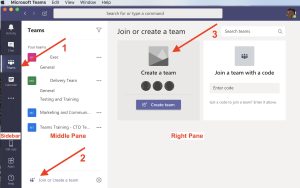
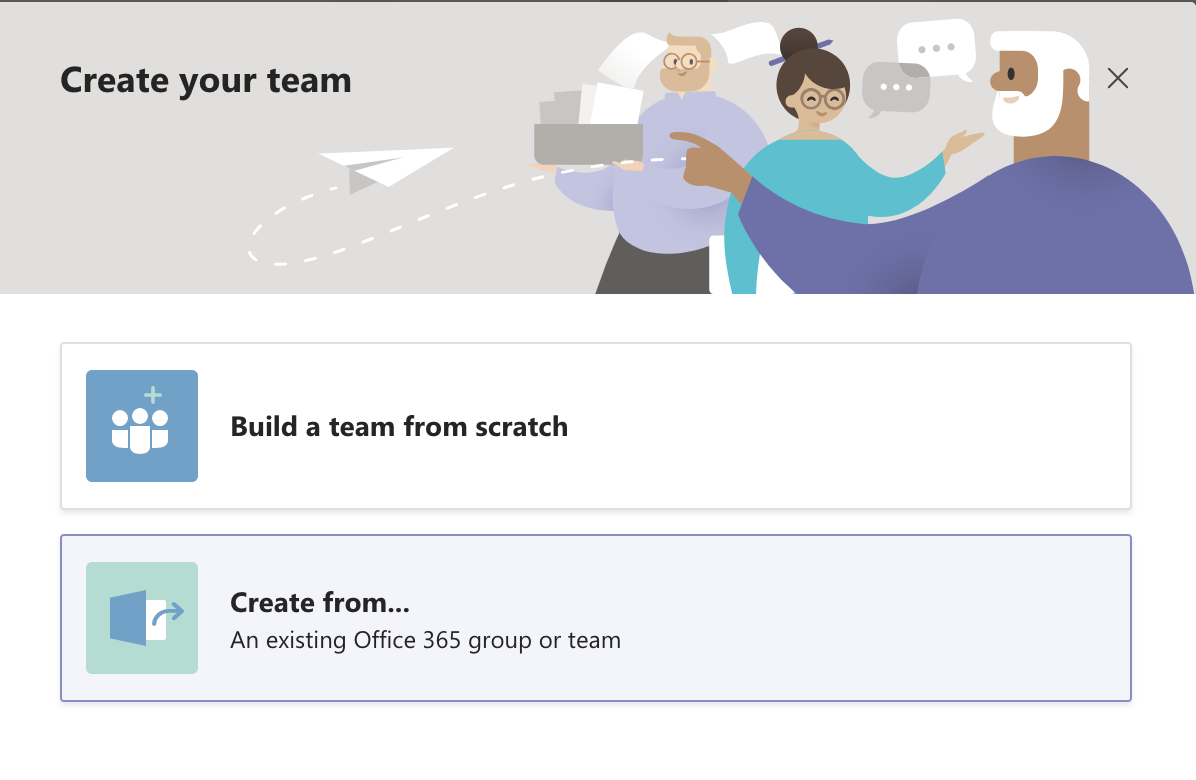
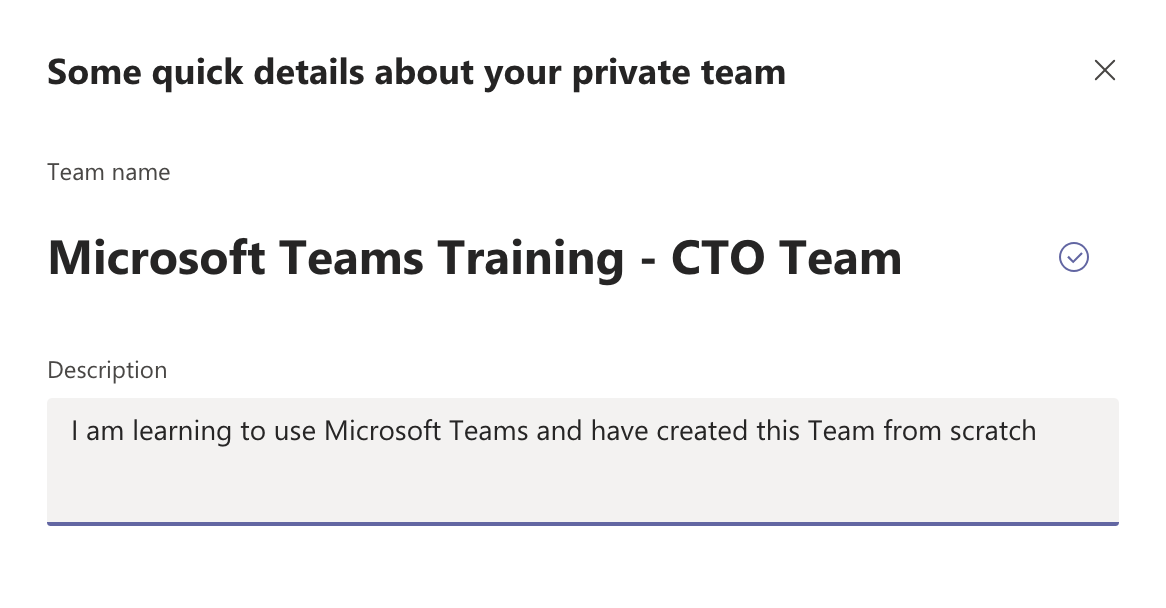
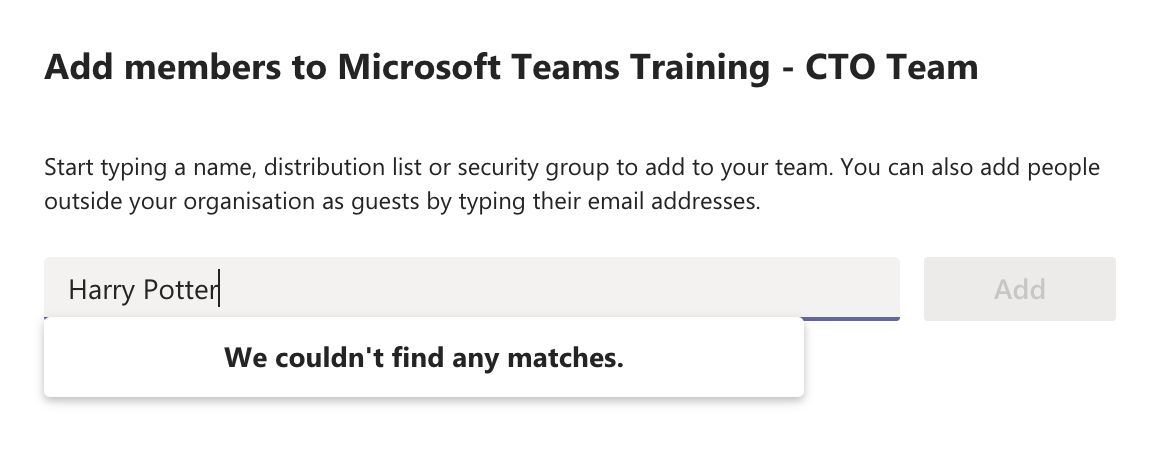
  • Creating a Microsoft Team, Adding Members and working in the Teams Mobile App
  • Working with Microsoft Office for iPad
  • Understand and work with files in the Microsoft Office Mobile Apps


If you’re ready to upgrade your Microsoft 365 skills so your organisation and people are more productive, profitable and connected, our Microsoft 365 for Business – Advanced Training Course will benefit you.


Please contact CTO today for friendly, professional advice.

We’ll discuss your specific needs and tailor a training course to suit your requirements.

Corporate Training Options


Why you need Effective Communication in the Digital Age

Why you need Effective Communication in the Digital Age

Why you need Effective Communication in the Digital Age

Brought to you by Rosy King @ Corporate Training Options


Why you need Effective Communication in the Digital Age


Is Face-to-Face Communication Dead in The Digital Age?

Of course it’s not.  However, they way we communicate has changed forever over recent months and I think what we can all agree on two things.

  1. That digital technology has changed the way we interact, communicate and work together
  2. And effective communication skills, be it face-to-face or digitally, are still immensely important.  So much can be lost or misinterpreted in poor communication, causing delays, lost production, resentfulness and frustration.

 

Using effective communication in the digital age of customer service

Technology can be a tool of connectedness  

These days we can all connect, chat and collaborate with each other irrespective of where we are in the world. Teams, supervisors and leaders can communicate one-on-one if they need to, or address their entire workforce, quickly, easily and remotely.

Yet, it’s a challenge to strike a balance.  We always have to remember that technology can’t fully replace human connections. It can elevate the business experience to another level, but can equally be the culprit behind a company’s doom.

In the age of artificial intelligence and virtual reality, it’s vital to determine which business functions should be digitised and which should not.


So, is face-to-face communication still a necessary skill now that digital communication is well and truly with us?

We’ve all had to learn very quickly to interact remotely, via Zoom, Microsoft Teams, Skype or other types of online digital meetings.  Now, online communication is something we all have to do.

However, we also have to strive to truly listen to our customers and employees, to discover how best to serve them.  Even if you deal with thousands of customers, you’ll serve them better if you make listening part of your personal and company DNA.

While digital technology allows us to communicate with team members remotely, so we can collaborate and produce projects effectively, it is premature to think that effective face-to-face communication in the workforce is no longer required.

Why?

Because whether you are communicating with someone digitally via video, or face-to-face in the workplace, effective communication skills are paramount for your team, clients and organisation to prosper.


The Definition of Communication

The best definition of communication I’ve read is – “Communication is the process of passing information and understanding, from one person to another.  In simple words, it’s the process of transmitting and sharing ideas, opinions, facts and values from one person to another, or from one organisation to another.”

So, while it is easy to jump on the digital bandwagon to communicate with your team members and clients, there are a few key points to consider before you do.


The benefits of effective face-to-face communication


Human beings are social creatures. We need connection and to feel part of something.

Face-to-face communication stimulates staff engagement, builds company culture and shapes effective outcomes. It also creates a sense of community, belonging and trust, where people are working towards a common goal.  This is crucial for team morale and for an organisation’s growth and success.

 

Working from home can be lonelyConnecting with Team Members

Consider a team member who works from home and communicates by email only.  At times he may feel isolated, undervalued and disconnected from his purpose, his team and his employer.

And because he feels undervalued and disconnected, his inability to communicate effectively may be costing your organisation leads and sales, and affecting his other team member’s attitudes as well.


Connecting with Customers

Consider our communication with our customers.  Effective communication is vitally important, as it allows us to empathise with them, providing a better understanding of what they need and how they feel.  Without this understanding, our solutions might be meaningless.  Effective communication leads to empathy and understanding, which needs to be at the heart of proposing customer solutions.


In the words of Steve Jobs:

“I have always realized that you have to start with the customer experience and work backwards to the technology.

So, we started with: what incredible benefits can we give to the customer? Where can we take the customer?”


Reading unspoken non-verbals

Learning how to understand and interpret unspoken non-verbals in face-to-face communication, or via online meetings, is a real skill.

Being able to read a person’s body language and tone, being aware of their stance, appearance and the spatial arrangements in face-to-face communication, is key to effective communication in the workplace, and in all your relationships.  It’s an important part of ensuring positive outcomes.


Fostering engagement and participation

By learning practical communication skills, you and your team members will have a collaborative team and inspiring culture that everyone will enjoy being a part of.

Once team members learn how to communicate effectively, they’ll have more confidence. They’ll be comfortable putting forward ideas and contributing, resulting in a higher level of employee engagement and satisfaction.  Plus, a collaborative company culture means staff are happier and they stay longer, saving organisations both time and money.

 

Technology provides our effective communication in the digital ageCrystal Clear Communication

Ever received a text message or email you thought was impolite or rude, that you had to read a few times to understand?  I think we all have.

In most cases, that email or text wasn’t meant to be rude at all.

It’s just that emails and text messages lack tone, body language, facial expressions and a personality.

Whether you’re communicating face-to-face or via online meetings, effective communication is about cohesive discussion and reducing the risk of misinterpretation.


Human beings are sensitive, funny creatures.

We all read and understand things differently, which can be a disaster, and upsetting for those you’re communicating with, if you can’t communicate effectively.

Some may think you’re rude and others may not understand you and therefore may also not ask questions, which can lead to delays on projects and many other problems in your workplace.

Of course, misinterpretations can be solved by going to see the person who doesn’t understand your email, if that’s possible, or by picking up the phone and calling them.


Don’t underestimate the power and connection of speaking with people face-to-face.  It can go a long way to building relationships and communicating clearly and concisely.


Dealing with delicate issues using effective communication

Up in the Air delivers bad news remotelyIn the movie “Up In The Air”, starring George Clooney, the plot covers organisations changing the way they terminate their staff.

They move from delivering the bad news in person, to holding the termination meetings remotely, via video conference calls.  It’s an interesting exercise in effective communication, and demonstrates that in some situations, face to face communications is much more effective and empathetic.

In highly emotional situations, online communications can be too impersonal.  While I don’t know if it’s the way of the future, you have to remember that you’re dealing with people’s emotions, lives, incomes, beliefs and values.  And that can be tricky.

This is one of the crucial benefits of face-to-face communication

Whether it’s a team issue or you’re addressing a delicate subject with a specific team member, dealing with sensitive issues is all part of the process.

And based on our years of experience in training people and company teams in effective communication, it’s always beneficial to hold these delicate discussions in person if and wherever possible.


What if they work remotely?

If you need to deal with delicate situations with a team member who works remotely, the basic principles and outcomes still apply.

These include giving the person or people you are going to be speaking with

  • The problem that needs addressing
  • An idea about the purpose of your meeting
  • Suggested outcomes you’d like to achieve together


This gives them a heads up, and they and you can start thinking about outcomes, so you’re all working together to resolve the issue proactively, without attack or blame.


Effective communication, face-to-face or via digital means, has many components.

It requires:

  • honesty
  • listening and delivering information accurately
  • being attentive
  • and providing understanding


You need to be:

  • supportive
  • impartial
  • proactive
  • and take responsibility


Any communication, good or bad,  face-to-face or digitally, must be:

  • clear and concise
  • built on mutual respect and trust


Why you should invest in your people, to teach them effective communication skills, both online and in the workplace.

With professional training in Effective Communication, your team will develop the skills they need to communicate effectively, both face-to-face and via digital tools.

They’ll be more confident in their interactions with fellow team members, clients, suppliers and others.

Effective communications training teaches you and your team to be professional and diligent in all your communications.  It provides you with practical, useful tools to enable precise and effective communication in all situations.


Want to know more about our Effective Communication courses for you or your team?


The Effective Communication training course from Corporate Training Options provides learning outcomes which include:

  • Learning to recognise the impact of face-to-face communication and understanding the advantages of communicating this way
  • Understanding effective communication also consists of unspoken non-verbals
  • Becoming aware of your stance, your appearance, your voice and the spatial arrangements in a face-to-face encounter
  • Learning to choose your words carefully, to enhance your listening ability
  • This course also helps you to adapt your face-to-face strengths to online communications and media, via online meetings


Ready to learn more about Effective Communication?


If you’re ready to upgrade your skills to communicate more effectively, or you wish to tackle other new challenges, contact CTO today for friendly, professional advice.

We’ll discuss your specific needs and tailor a training course to suit your requirements.

 

Corporate Training Options


Microsoft Teams Corporate Adoption

CTO Leadership Webinar – Shape your Leadership

CTO Leadership Webinar - Shape your leadership with LeaderSHIFT


CTO Leadership Webinar – Shape your leadership with LeaderSHIFT


In the current global crisis, do you remain a strong leader with powerful qualities that inspire your team?

Right now, this seems almost impossible. Our vision – the primary requirement of every leader – is blurred. We can hardly see the next few weeks, let alone the years ahead.

So to do the best we can with what we have, we need to accept every Shift as it comes, with a balance of Focus and Flexibility.

Webinar Presenter, Catherine Palin-Brinkworth, has led many teams, chaired several boards, and been the national and international president of two separate organisations. She has spoken on leadership and business development all over the world.

In this fast-paced presentation on how to shape your leadership, she will share

  • The 4 ways to truly define Outstanding Leadership
  • The 3 Unchanging Leadership Truths
  • How the LeaderSHIFT technique makes it easier

You’ve got this!  And we’ve got your back.

View our Webinar.

CTO Technology Webinar – Shape your Leadership, with LeaderSHIFT

Held: Thursday 30 April, 2020

Time: 1:00 pm AEST

Duration: 15 minutes

Webinar Link: